Is the degree to which individuals have the capacity to obtain, process, and understand basic health information and services needed to make appropriate health decisions. CHAIN values the importance of promoting Health literacy and has implemented health literacy and treatment literacy programs since 2005.
CHAIN was among the first organizations to develop and launch the 1st Great Lakes Handbook: A Guide to Antiretroviral Therapy which was translated into English and French and disseminated in Uganda, Kenya, Tanzania, Rwanda, Burundi, and DRC in 2005.
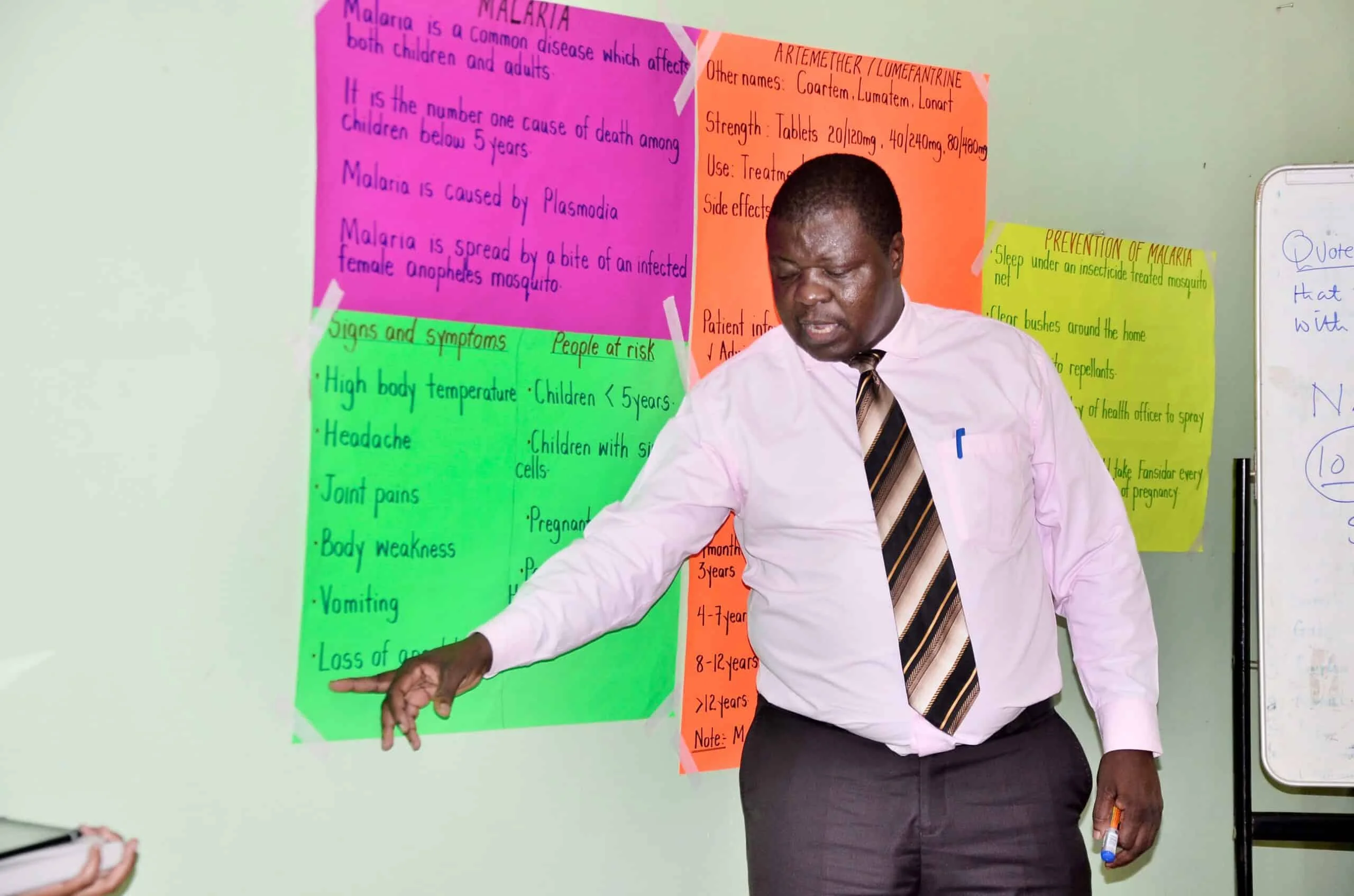
It developed the HIV and AIDS treatment literacy program with uniformed forces through workshops for health care professionals in UPDF, Police, and Prisons, aimed at increasing treatment literacy and reduction of stigma and discrimination among the most at-risk population 2005-2007. This culminated in inter-institutional collaboration in HIV/AIDS Management among the uniformed forces (UPDF, Police, and Prisons), 2005-2007.
CHAIN was also the first organization to launch a Health literacy campaign in Uganda ‘Strengthening Community Partnerships in the Promotion of Health Literacy in Uganda ‘, whose major aim was improving the health and welfare of the nation through increased health literacy levels, support by MSD, 2012.
Activities
Engage and Empower patients/patient organisations to advocate for improved access to quality and safe care services through dialogues, trainings, workshops and media
Engage and empower Community Owned Resources (Village Health Teams (VHTs), CBOs, local leaders, political leaders, religious leaders, ) at the grass roots level to create awareness on health literacy and patient safety through community dialogues and trainings.
Build and strengthen partnerships and working relationships with key stake holders (patient organizations, healthcare professionals, line government ministries and departments) to implement and promote health literacy and patient safety programs through dialogues and meetings and symposium.
Engage schools in health literacy and patient safety activities through the CHAIN Start Early In Life Initiative (SEILI) using innovative approaches including among others; music, dance and drama, poems, debates, among others. Develop , print and disseminate Information Education and Communication (IEC) materials in schools, hospitals, health centers and communities.
Awareness on Medication safety including substandard and counterfeit medicines, Anti-Microbial Resistance (AMR) Conducting Hand hygiene training sessions in health centers, schools and community Commemoration of WHO global Health Days including; World Patient Safety Day (WPSD), World Hand Hygiene Day (WHHD), Menstrual Hygiene Day (MHD), World Health Day, World AIDS Day among others.
Promote quality, safety and effective use of medicines through community dialogues, trainings, workshops and media.